
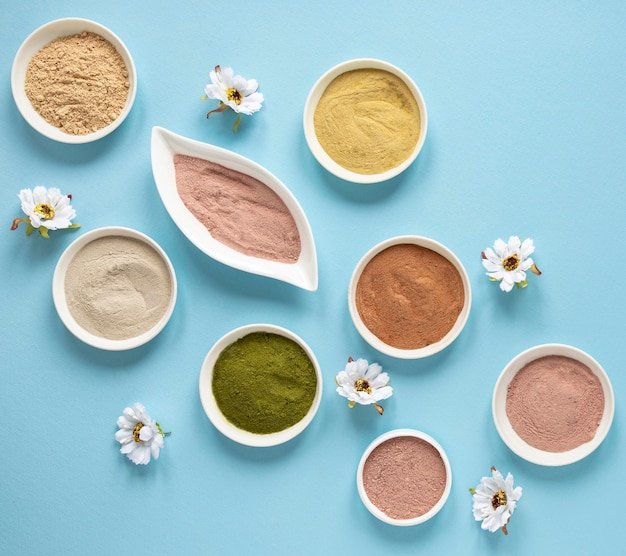
If you train hard, you already know progress lives in the margins — what you fuel with between sets, after intervals, and on rest days can determine whether you plateau or push ahead. Organic protein powder offers a clean, strategic edge: complete amino acids for muscle recovery, steady energy from clean label protein without artificial fillers, and digestibility that keeps you consistent session after session. Think of it as performance nutrition that aligns with both your body and your values — supporting athletic performance, reducing soreness so you can show up tomorrow, and simplifying daily protein targets when life gets busy.
And the results aren’t theoretical. “I’m hitting back-to-back WODs with less DOMS — 24 hours makes a difference now,” says Maya, a CrossFitter who swapped in organic blends post-workout. “Long runs feel smoother — no mid-mile stomach surprises,” notes Luis, a marathoner who wanted power without additives. “As a lactose-intolerant lifter, I finally gained strength without the bloat,” adds Jordan. From college athletes to postpartum moms and adults 40+, people are reporting the same theme: cleaner fuel, better training, more momentum. Read on for seven science-backed ways organic protein powder can elevate your performance, your recovery, and your results.
1. Accelerate Recovery and Cut Down Soreness
Hard training creates microscopic muscle damage — that’s how you get stronger — so the faster you repair it, the sooner you’re ready to train hard again. Organic protein powder delivers a complete amino acid profile, with leucine leading the charge to switch on muscle protein synthesis. Think of leucine as the “start” button: hit roughly 2–3 grams post-workout and you signal your muscles to rebuild. Whether you prefer grass-fed whey or a well-formulated plant-based protein (like pea + rice for complementarity), you’re giving your body the BCAAs it needs to accelerate repair without unnecessary fillers or additives.
Timing matters. Research consistently shows that consuming protein within the first 1–2 hours after training reduces markers of muscle damage and can lessen delayed-onset muscle soreness (DOMS), especially when total daily protein is adequate. A simple target: 20–40 grams of organic protein powder after your session — enough to cross the leucine threshold and support tissue repair. Pair it with fluids and electrolytes to rehydrate, and you’ve created a reliable, repeatable recovery ritual that keeps you consistent across the entire week.
Quality also counts. Grass-fed whey is rapidly absorbed and rich in leucine for those who tolerate dairy, while fermented or sprouted plant-based protein options can be gentler on the gut and still deliver the essential amino acids your muscles crave. Many organic blends now include added BCAAs or are naturally BCAA-dense, helping you hit that anabolic signal quickly. Blend your scoop with a banana or berries for carbs that replenish glycogen — another lever for reducing next-day heaviness in the legs.
“I used to feel wrecked for two days after back-to-back WODs,” says Maya, a competitive CrossFitter. “Switching to an organic protein powder — one scoop of grass-fed whey on lifting days and plant-based protein after metcons — was a game changer. Hitting 30 grams within 30 minutes, plus a bit of fruit, means I’m less sore, I sleep better, and I can push hard again the next morning without dreading the warm-up.
2. Clean Energy for Stronger Workouts
Organic protein powders with short, recognizable ingredient lists deliver steadier energy because they skip the artificial sweeteners, gums, and fillers that can cause GI discomfort or mid-workout slumps. When your shake is built from simple, whole-food proteins — like organic pea, brown rice, or pumpkin seed — you get a clean amino acid supply without the blood sugar roller coaster. Look for third-party tested supplements (e.g., NSF Certified for Sport or Informed Choice) to ensure purity and label accuracy, so what fuels your training is exactly what’s in the tub — and nothing you don’t want.
For pre- and intra-workout fueling, balanced macros are the difference between a strong start and a strong finish. A scoop of organic protein paired with easily digestible carbs (banana, dates, or oats) about 60–90 minutes before training supports strength sessions and longer endurance work by topping off glycogen while providing amino acids for ongoing muscle support. During longer efforts (60+ minutes), small sips of a diluted shake — think half-strength protein with a quick carb source — can help maintain focus and output without the heavy feeling some conventional blends cause. Then, a post-workout shake completes the arc, locking in smart protein timing to support recovery and set up your next session.
Real-world example: “I used to fade hard at mile 14,” says Maya, a marathoner and weekend trail runner. “Switching to an organic, minimal-ingredient blend before my long runs — and a lighter sip mid-run — kept my stomach calm and my pace even. I hit negative splits for the first time this cycle, and I’m finishing with more in the tank.”
Small tweaks amplify the effect. Blend your pre-run shake with a pinch of sea salt for electrolytes, or add a few frozen berries for quick carbs and antioxidants. If you train early, a half-portion 30 minutes before you start can bridge the gap, with the remainder used as your post-workout shake to maximize protein timing across the session. Keep single-serve packets in your gym bag so clean energy is always on hand — no guesswork, no crashes, just consistent performance you can feel.
4. Gut-Friendly and Allergen-Conscious Support
For many athletes, the best protein is the one that doesn’t fight back. Organic, dairy-free, soy-free, and gluten-free options make it easier to meet your protein targets without the side effects that can derail training — think bloating, gas, or skin flare-ups. Look for powders with short ingredient lists and clear allergen labels, plus third-party verification and heavy metal testing to ensure purity. Brands that prioritize sustainable sourcing often also invest in transparent quality controls, giving you confidence in what you’re putting into your body.
Gentle-on-the-stomach formulas — like fermented pea or sprouted brown rice, pumpkin, and hemp — can improve digestibility and nutrient absorption. Fermentation helps break down complex compounds and can reduce FODMAPs for sensitive guts, while sprouting lowers phytic acid and makes minerals more bioavailable. Some blends add digestive enzymes or probiotics to further support comfort during higher-protein phases. The result: you can increase intake to match your training load without the familiar “brick-in-the-belly” feeling.
Real-world experience underscores the difference. “At 41, after having my second baby, I couldn’t tolerate my old whey,” says Marisol, a postpartum runner. “Switching to a fermented, gluten-free organic blend meant no nausea on early miles — and I’m hitting three runs a week consistently.” Similar athlete testimonials from adults 40+ echo the theme: fewer stomach issues translate to better adherence, steadier sessions, and easier progress from week to week.
For extra assurance, scan for certifications that cover allergens and contaminants, and review amino acid profiles to ensure you’re not trading comfort for completeness. Prioritizing allergen-conscious, plant-forward proteins can be a performance strategy, not just a preference — keeping you training, recovering, and showing up with confidence. When your protein choice aligns with your body and your values — through sustainable sourcing and rigorous quality standards — you remove friction and let consistency do the heavy lifting.
5. Consistency Made Easy for Busy Schedules
When your calendar is packed, consistency becomes the real performance superpower. Organic protein powder turns “I’ll get to it later” into a two-minute habit: toss a scoop into a shaker with water or almond milk as you head out the door, or keep single-serve packets in your gym bag and desk drawer. Fitness enthusiasts love freezer-friendly smoothie kits — pre-bag spinach, berries, and chia, then blend with your powder and liquid in seconds. For variety without effort, rotate a few go-to smoothie recipes and simple snacks like protein overnight oats or a 90-second microwave mug cake to keep your intake steady and enjoyable.
Timing matters as much as total intake. Aim for roughly 0.3 g/kg (20–35 g for most adults) of protein within 1–2 hours post-workout to support muscle repair, then anchor the rest of your day with protein-forward meals at breakfast and an evening snack to maintain a steady amino acid profile. Practical cadence: shake post-training, protein-rich breakfast within 2 hours of waking, and a calming evening option — like warm oat milk blended with organic protein powder and cinnamon — to curb late-night grazing. If you train twice a day, split doses (e.g., 25 g after session one, 25 g after session two) to keep recovery humming without overcomplicating your routine.
Small systems make big consistency. Batch-prep three days of shakes in mason jars, set calendar nudges for your post-lift window, and pre-portion scoops into travel cups so all you add is liquid. On campus or at the office, pair a banana and a sachet of organic protein powder for an instant mini-meal between meetings or classes. If mornings are hectic, blend a double-serving smoothie and freeze half; it thaws by lunchtime and saves you from impulse snacking.
“I’m a consulting analyst and club soccer midfielder, and last semester I finally stopped skipping protein,” says Maya, 21. “I keep two on-the-go packets in my backpack, hit a 25 g shake after practice, and add a scoop to breakfast most days. Even with late-night study sessions, I’m less sore, my energy is steadier, and I haven’t missed a lift in eight weeks. The simple routine made it automatic.
6. Weight Management and Appetite Control
Organic protein powder can be a powerful ally when your goal is to lose fat without sacrificing hard-earned muscle. Higher-protein diets boost satiety — helping you feel fuller, longer — by slowing digestion and positively influencing appetite hormones. Protein also has a higher thermic effect than carbs or fats, meaning your body expends more energy digesting it, which can modestly increase daily calorie burn. Aim for options with 20–30 g of protein per serving after workouts or as a strategic snack to blunt cravings, stabilize blood sugar, and support lean mass during a calorie deficit.
For longer-lasting fullness, pair your shake with fiber-rich, minimally processed add-ins. A scoop of organic protein blended with frozen berries, chia or flax seeds, and a handful of spinach turns a quick drink into a satisfying, low-sugar meal. If you prefer savory, try an unsweetened organic blend whisked into a veggie soup or a smoothie with frozen cauliflower rice, psyllium husk, and cinnamon for extra fiber and appetite control. These simple tweaks increase volume and texture without many calories, helping you feel satisfied between meals.
Consistency matters, especially on busy days when convenience foods can derail your plan. Keep on-the-go packets in your bag and mix with water, almond milk, or cold brew for a high-impact, low-effort option. Building a routine — such as a late-afternoon shake with 25 g of protein per serving plus a piece of fruit — can preempt the 5 p.m. snack attack, making it easier to stick to your targets and preserve training quality while cutting.
“I used to hit a 3 p.m. wall and raid the break room,” says Maya, a weight-loss seeker balancing work and evening workouts. “Switching to an organic protein shake with 25 g of protein per serving, chia seeds, and cinnamon kept me full and steady. Cravings dropped, my energy evened out, and the scale finally moved — without feeling deprived.
7. Sustainable, Ethical Fuel That Motivates
Choosing organic protein powder isn’t just about what’s in your shake — it’s about how those ingredients are grown and sourced. Certified organic farms avoid synthetic pesticides and prioritize soil health, biodiversity, and often regenerative practices like cover cropping and composting. Many brands also pursue third-party standards — USDA Organic, Non-GMO Project Verified, and Regenerative Organic Certified — to ensure transparent supply chains and better stewardship of land and water. For athletes who care about long-term health and the planet they train on, that alignment turns a daily habit into a meaningful ritual.
That values-aligned choice can be a powerful motivator. Research in behavior change shows that when actions reflect personal values, adherence improves and routines last longer. If your post-workout shake supports cleaner agriculture and fair labor, you’re more likely to keep showing up for it — especially on busy or low-motivation days. Over time, that consistency adds up to measurable results: steadier energy, better recovery, and fewer skipped meals, all while supporting systems you believe in.
Consider the ripple effect, too: sustainably sourced blends often spotlight diverse plant proteins (pea, pumpkin seed, hemp), which can expand your nutrient profile and reduce reliance on resource-intensive inputs. Some companies even publish farm-to-tub tracing and carbon accounting, giving you a clearer picture of your impact. It’s a small swap with outsized benefits — fueling training today while investing in a food system that supports tomorrow’s athletes.
“I’m a plant-based marathoner, and switching to an organic protein powder felt like unlocking another gear,” says Maya, a vegetarian athlete and run club leader. “Knowing my shake comes from pesticide-conscious, regenerative farms makes me proud of my routine. I recover well, my workouts feel strong, and I love that my performance and my principles finally point in the same direction.
Your Next Rep Starts Here
From faster recovery and steadier performance to lean muscle, happier digestion, everyday convenience, weight-management support, and planet-friendly sourcing, organic protein powder can elevate every phase of your training. The evidence is clear: complete amino acid profiles help rebuild muscle, cleaner formulas power stronger sessions, gut-friendly blends reduce discomfort, and consistent intake makes progress sustainable — whether you’re lifting heavy, logging miles, returning postpartum, or training well into your 40s and beyond.
Ready to put it to the test? Choose a high-quality organic protein powder and track simple, meaningful metrics for 4–6 weeks: strength (reps or load), soreness (DOMS rating), energy (workout and daily scores), and body composition (waist, photos, or scans). Let the data guide your tweaks, celebrate the wins, and keep what works. This is your training — make every shake count.