
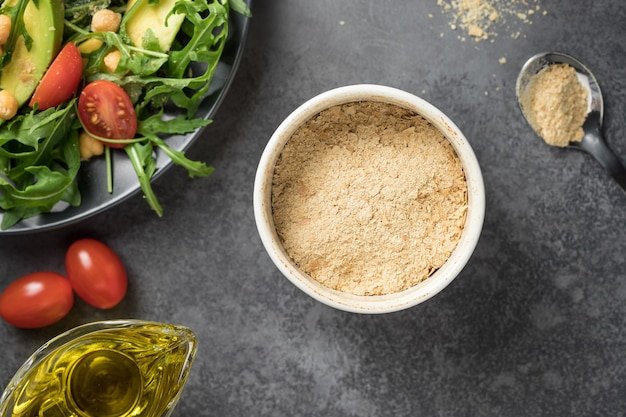
In an age where health consciousness and environmental sustainability are increasingly intertwined, organic protein powder has emerged as a powerful ally for individuals seeking to enhance their well-being while minimizing their ecological footprint. This versatile supplement transcends the traditional image of a bodybuilding aid, offering benefits that cater to a diverse range of lifestyles, dietary preferences, and personal goals. By understanding its multifaceted advantages, informed selection criteria, and the science behind its efficacy, anyone can integrate organic protein powder into their routine as a meaningful step toward holistic health.
The Holistic Benefits: Beyond Muscle Building
At its core, protein is an indispensable macronutrient, serving as the fundamental building block for muscles, bones, skin, hair, enzymes, and hormones. The average person requires approximately 0.8 grams of protein per kilogram of body weight daily, with needs increasing for those engaged in regular physical activity. While traditional diets often rely on animal sources, organic plant-based protein powders present a complete and efficient alternative.
Organic protein powders are derived from ingredients cultivated without synthetic pesticides, herbicides, antibiotics, or genetically modified organisms (GMOs). This cultivation standard translates into direct health benefits for the consumer. Studies suggest that organic foods typically contain lower levels of toxic heavy metals and pesticide residues while offering higher concentrations of certain antioxidants and beneficial fats. When these principles are applied to protein powders, the result is a cleaner, more nutrient-dense product that supports bodily functions without introducing unwanted chemicals.
The advantages of incorporating organic protein powder are extensive:
- Enhanced Digestion and Satiety: Many organic protein powders are rich in dietary fiber from sources like chia seeds, flaxseeds, or inulin. This fiber promotes a healthy gut microbiome, improves digestive regularity, and creates a lasting feeling of fullness. This aids in appetite control, making it a valuable tool for weight management by helping to reduce unnecessary snacking and curb sugar cravings.
- Cardiovascular and Longevity Support: A diet emphasizing plant-based proteins is naturally lower in cholesterol and saturated fats compared to one heavy in animal products. Research, including studies highlighted in prestigious journals, indicates that sourcing protein from plants like beans, nuts, and seeds is associated with a lower risk of heart disease and reduced overall mortality. The anti-inflammatory properties of plant nutrients further contribute to long-term health.
- Superior Nutritional Profile: Contrary to the myth that only animal proteins are “complete,” many plant-based sources—and their powder formulations—provide all nine essential amino acids the body cannot produce. Through smart blending of sources like peas, brown rice, and hemp, manufacturers create powders with excellent protein quality and bioavailability, meaning the body can absorb and utilize the amino acids efficiently.
- Sustainable Energy and Performance: For athletes and active individuals, organic protein powder supports muscle repair, reduces recovery time, and enhances stamina. The steady release of energy from plant-based proteins, coupled with their nutrient richness, fuels performance without the crashes associated with high-sugar snacks. Specific formulations often include ingredients like tart cherry to combat exercise-induced inflammation.
- Radiant Skin, Hair, and Nails: Nutrition profoundly impacts external appearance. The vitamins, minerals, and antioxidants in organic plant proteins, such as vitamins A, C, and E, combat oxidative stress and support collagen production. This leads to stronger hair and nails, more resilient skin, and a healthier overall glow.
- Environmental Stewardship: Choosing organic plant-based protein is an act of environmental care. Plant protein production generally requires significantly less water, land, and energy than raising livestock for animal protein. It also generates fewer greenhouse gas emissions and avoids the chemical runoff associated with conventional agriculture. By opting for organic, consumers support farming practices that promote soil health and biodiversity.
Navigating the Selection Process: How to Choose the Right Powder
With a plethora of options on the market, selecting the ideal organic protein powder requires careful consideration of one’s personal needs and product quality.
Types of Organic Protein Powder:
The primary categories are plant-based and animal-based (from organic sources).
- Plant-Based Proteins: These are ideal for vegans, vegetarians, or those with dairy sensitivities. Common sources include:
- Pea Protein: Hypoallergenic, easily digestible, and rich in iron.
- Brown Rice Protein: A gentle protein that is often combined with others to create a complete amino acid profile.
- Hemp Protein: Contains beneficial omega-3 and omega-6 fatty acids along with fiber.
- Soy Protein: A complete protein, though some individuals may prefer to avoid it due to potential sensitivities.
- Blended Proteins: Many of the best products combine several plant sources to ensure a complete and balanced amino acid spectrum.
- Animal-Based Proteins (Organic): These include organic whey protein (derived from the milk of grass-fed cows) and organic collagen peptides. Whey is a complete protein known for its rapid absorption and high content of branched-chain amino acids (BCAAs), excellent for post-workout recovery. Collagen supports joint, skin, and hair health but is not a complete protein and is best used alongside other protein sources.
Key Selection Criteria:
When examining labels, prioritize these factors:
- Third-Party Certifications: Look for seals like USDA Organic (guaranteeing organic ingredients), Non-GMO Project Verified, Certified Vegan, and Gluten-Free. Certifications like NSF Certified for Sport are crucial for athletes, ensuring the product is free from banned substances.
- Clean Ingredient List: The best powders contain minimal additives. Avoid those with artificial flavors, sweeteners, colors, or preservatives. Opt for powders sweetened naturally with stevia or monk fruit and flavored with cocoa or vanilla bean.
- Macronutrient and Additive Profile: Choose a powder with 0g or very low added sugar. Consider if you want added benefits like probiotics for gut health, enzymes for digestion, or superfood blends for an extra nutrient boost. Fiber content is a plus for satiety.
- Bioavailability: This refers to how easily your body can absorb the protein. High-quality powders are processed (e.g., through cold-pressing or gentle enzymatic methods) to preserve the integrity of the protein, making its amino acids more accessible for use.
- Taste and Texture: Thankfully, the chalky, gritty textures of the past are largely gone. Many modern organic protein powders offer delicious, creamy options that mix well with water, oat milk, or almond milk. Trying sample sizes before committing to a large container is a wise strategy.
Integrating Protein Powder into a Balanced Lifestyle
Organic protein powder is remarkably versatile. It is not intended to replace whole foods but to complement a balanced diet. It can serve as:
- A quick breakfast smoothie blended with fruits and spinach.
- A post-workout recovery drink to repair muscles.
- A healthy snack to bridge gaps between meals and sustain energy.
- A meal replacement (when choosing specifically formulated products that include a balance of protein, fiber, vitamins, and minerals) for those with hectic schedules.
- A nutritional booster stirred into oatmeal, yogurt, or baked goods.
It is suitable for almost everyone—from athletes and busy professionals to seniors needing to maintain muscle mass, vegetarians ensuring adequate intake, and anyone seeking a convenient health boost. However, individuals with specific health conditions, such as kidney disease, should consult a healthcare provider to determine appropriate protein levels.
Conclusion
Organic protein powder represents a convergence of personal wellness and planetary health. It offers a practical, potent, and ethical means to meet our nutritional demands. By providing high-quality protein free from harmful chemicals, supporting sustainable agriculture, and delivering a wide array of health benefits from improved digestion to enhanced physical performance, it is more than just a supplement—it is a conscious choice for a healthier life and a healthier world. As we become more attuned to what we put into our bodies and where it comes from, organic protein powder stands out as a simple yet profound tool for nurturing both ourselves and the environment we inhabit.