
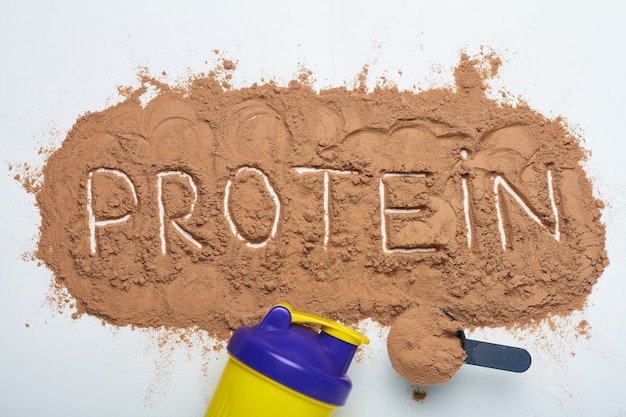
Think of organic protein powder as your kitchen’s quiet overachiever: not just for shakes, but a simple add-in that upgrades everyday meals and snacks with real staying power. A scoop can turn a rushed high protein breakfast into something that actually keeps you full — research shows protein at the first meal helps curb cravings and stabilize energy. With smart mixing and flavor pairing, it slides effortlessly into plant-based and gluten-free routines, and it’s tailor-made for busy weekdays. From protein pancakes that stay tender to protein smoothie recipes that taste like dessert, you’ll get more mileage from your pantry without sacrificing taste.
The best part? A little technique goes a long way. Whisk a scoop with a splash of milk before stirring into oats to prevent clumps, match vanilla with warm spices or chocolate with banana, and let unflavored powder quietly boost soups, sauces, and even crispy coatings. Whether you’re meal-prepping for the week, fueling a workout, or feeding a family, the ideas ahead make healthy choices almost automatic — and surprisingly delicious. Keep reading for seven creative ways to use organic protein powder that go far beyond the blender.
1. Upgrade Your Oats and Chia Pudding
Give your breakfast staying power by stirring 1–2 tablespoons of organic protein powder into overnight oats or chia pudding. To prevent clumps, whisk the powder with a splash of milk first to make a smooth slurry, then fold it into the rest of your liquid and grains or seeds. Flavor pairing matters: vanilla loves cinnamon and nutmeg; chocolate shines with banana or espresso; and unflavored blends disappear into maple-sweetened oats. For chia pudding, start with 3 tablespoons chia to 1 cup milk, then add the protein slurry and a tiny pinch of salt — both the fiber and protein work together to keep you satisfied for hours.
Think like a barista-meets-baker for creative twists. For mocha “protein overnight oats,” use cooled leftover protein coffee as part of your liquid, add cocoa, and top with sliced banana. Prefer a dessert vibe? Try “carrot cake” oats with grated carrot, raisins, vanilla organic protein powder, and a dusting of cinnamon; or go tropical with mango, lime zest, and vanilla for chia pudding. If you like yours ultra-creamy, stir in a spoonful of yogurt or nut butter — this adds healthy fats and improves texture while balancing any chalkiness.
Meal prep makes busy mornings easy. Batch 3–4 jars on Sunday: two jars of oats and two of chia for variety, each portioned to include your 1–2 tablespoons of protein. They keep well for up to 4 days in the fridge. Layer mix-ins for texture that lasts — toast nuts or coconut to stay crunchy, add berries the night before, and save cacao nibs for the morning. If you crave something warm, a quick 30–45 seconds in the microwave loosens chilled oats without compromising creaminess; thin with a splash of milk if needed.
Want a weekend twist that still fits your routine? Use the same base to make baked oatmeal cups — an easy entry into protein baking. Stir vanilla organic protein powder into the batter, fold in blueberries, and bake in a muffin tin for portable, freezer-friendly breakfasts. On hectic days, pair a jar of oats or chia with a small latte or “proffee” for steady energy; on training days, bump the protein by adding a second tablespoon or topping with hemp seeds to reach your target per meal.
2. Fluffy Protein Pancakes and Waffles
Turn weekend stacks into weekday fuel by swapping 1/4–1/3 cup of flour for organic protein powder in your favorite batter. This simple shift adds staying power without sacrificing lift, especially if you pair a clean protein powder with whole-grain flours like oat or buckwheat. For best results, whisk the dry ingredients (flour, protein, leaveners) together first so the protein disperses evenly, then fold in the wet. Batter should be pourable but not runny — think thick ribbon. Let it rest 5–10 minutes; the starches hydrate and the protein relaxes, which translates to fluffier pancakes and waffles.
Moisture is your secret weapon against dryness. Plant-based blends — especially vegan protein powder with pea, brown rice, or hemp — tend to absorb more liquid than whey, so add 2–4 tablespoons of extra milk as needed. Include tenderizers like mashed banana, applesauce, or a dollop of yogurt to keep the crumb soft, and don’t skimp on leavening: aim for 1–1.5 teaspoons baking powder per cup of total dry mix. A touch of fat (melted coconut oil or butter) prevents rubbery edges, while vanilla, cinnamon, or citrus zest enhances flavor without extra sugar.
Dial in flavor pairings to match your morning. Try vanilla protein with mashed banana and a sprinkle of cinnamon; or chocolate protein with espresso powder for a mocha waffle that rivals your favorite café. For savory meal-prep, use unflavored clean protein powder in a cheddar-chive waffle, then top with avocado and tomatoes for a balanced, quick lunch. Evidence tip: pairing protein with fiber (think berries or flax) may support steadier energy and satiety — just like you’d do with protein energy balls, only in pancake form.
Make a double batch and freeze leftovers on a sheet pan before storing in reusable bags. On busy mornings, reheat straight from the freezer: 1–2 minutes in the toaster yields crisp edges and a tender center. They’re portable, kid-approved, and easy to customize — swap in dairy-free milk and vegan protein powder for a fully plant-based stack, or fold in blueberries and chopped nuts to bump up antioxidants and healthy fats.
3. No-Bake Energy Bites and Bars
Think of no-bake bites as your mix-and-match template for portable energy. Start with a simple framework: about 1 cup rolled oats, 1/2 cup nut or seed butter, 1/3 cup honey or date paste, and 1/2 cup organic plant-based protein powder. If the mix feels crumbly, stir in 1–3 tablespoons of plant milk or warm water until it holds when pressed. For ultra-smooth bars, pulse the oats first; for more chew, keep them whole. To keep these dairy-free recipes truly gluten-free, choose certified GF oats, and for school-friendly snacks, swap peanut butter for sunflower seed or tahini.
Flavor and texture upgrades make them feel like a treat with benefits. Try a mocha-almond bite with espresso powder, cacao nibs, and vanilla protein; a lemon-coconut cashew bar with zest and shredded coconut; or a trail-mix version with pumpkin seeds, chopped dates, and dark chocolate. Use chia or ground flax (1–2 tablespoons) to add fiber and help bind; a pinch of salt and cinnamon can enhance sweetness without extra sugar. For kids, mini chocolate chips and finely grated carrot create “carrot cake” bites that sneak in produce.
These bites balance quick carbs with slower-digesting fats and protein — ideal pre-workout fuel or a steadying post-workout snack when paired with fruit. Date-based bars have a lower added-sugar profile and deliver potassium, while honey-based versions are slightly stickier and great for chewy rounds. If you’re sensitive to chalkiness, whisk your organic protein with a splash of liquid before folding it in, or choose a smoother plant-based protein like pea or a pea–rice blend. Chill the mixture for 20–30 minutes to set, then roll or press into a lined pan. Store up to 1 week in the fridge or freeze for up to 3 months.
Want something less sweet? Lean into savory protein recipes by using tahini or almond butter, chopped sun-dried tomatoes, minced herbs, sesame seeds, black pepper, and a drizzle of maple or date paste just to bind. A scoop of unflavored organic protein keeps the profile neutral while boosting staying power — perfect with a cup of broth or sliced veggies for an afternoon pick-me-up. However you flavor them, these no-bake bites and bars make meal prep effortless and keep you nourished between meetings, classes, and workouts.
4. Smoothie Bowls and Dairy-Free “Nice” Cream
Think spoonable smoothie bowls or soft-serve “nice” cream when you’re craving something cool, creamy, and nourishing. Blend 1–1½ cups frozen fruit (banana, mango, or mixed berries) with ½–¾ cup plant milk and a scoop of organic protein powder until thick and silky. For ultra-creamy texture without extra sugar, try adding a few frozen avocado cubes, steamed-and-frozen cauliflower rice, or zucchini — mild in flavor, big on body. A tiny pinch of salt and a splash of vanilla can make flavors pop, especially in chocolate blends.
Turn your bowl into a complete meal with fiber- and micronutrient-rich toppings: fresh berries, sliced kiwi, chia or flax seeds, and a handful of granola for crunch. For sustained energy and steady blood sugar, aim for a combo of protein, fiber, and healthy fats — think almond butter drizzle plus flax and berries. If you love crunch, sprinkle on “protein cereal” or toasted buckwheat groats; both add texture while nudging up the macros. Meal-prep tip: freeze pre-portioned “smoothie packs” (fruit + greens + add-ins) so you only need to add milk and organic protein powder before blending.
Flavor pairings keep things fun and dessert-adjacent without the sugar crash. Chocolate protein with peanut butter, banana, and a dusting of cacao tastes like soft-serve, while vanilla protein with mango, pineapple, and lime zest delivers tropical creamsicle vibes. For dairy-free “nice” cream, use just enough plant milk to get the blades moving, then pulse to maintain that soft-serve scoop. Swirl in crushed freeze-dried berries or a ribbon of date caramel for a sundae moment — homemade protein ice cream that also supports muscle recovery.
Customize to your goals and lifestyle: athletes might target 20–30 grams of protein per bowl, students can batch-blend and refrigerate in jars for grab-and-go, and parents can sneak in a handful of spinach (it disappears under cocoa or mango). If you prefer to chew your breakfast, pair a smaller smoothie bowl with a mini side like protein muffins for extra staying power. However you build it, this is a fast, flexible way to front-load protein, fiber, and antioxidants — no waffle maker required.
5. Savory Soups, Sauces, and Dressings
Unflavored organic protein powder is a stealthy way to turn cozy soups and silky sauces into complete, stick-to-your-ribs meals — no chalky taste required. For pureed classics like tomato basil, butternut squash, or carrot-ginger, whisk 1–2 tablespoons of powder into a small bowl with a splash of warm broth to make a smooth slurry, then blend it back into the pot off the heat. This keeps textures velvety and prevents clumping. A gentle reheat (avoid a hard boil) preserves flavor and keeps plant proteins from getting gritty.
Creamy sauces love this trick, too. Fold a spoonful into cashew alfredo, roasted red pepper sauce, or dairy-free “vodka” sauce to add staying power for pasta or zoodles. If you’re making pesto, blend in a teaspoon at a time — the nut oils help emulsify the powder seamlessly. Taste and rebalance with salt, lemon, or pepper; protein slightly mutes acidity, so a squeeze of citrus or a splash of vinegar brightens everything back up.
Dressings are where this hack really shines for meal-prep lovers. Whisk unflavored protein into tahini with lemon, garlic, and warm water for a pourable, protein-packed drizzle over grain bowls and roasted veggies. Or shake it into Greek yogurt ranch, green goddess, or miso-ginger vinaigrette to turn salads into satiating mains. Start small (1 tablespoon per 1/2 cup dressing), blend well, then thin with water or plant milk until it coats a spoon. Bonus: the powder acts like a stabilizer, so dressings stay creamy in the fridge.
Wondering how to use protein powder beyond smoothies — and even complement protein bars at home? Ladle boosted tomato soup alongside a simple grilled cheese, swirl protein-enriched yogurt tzatziki over salmon or chickpea patties, or finish a weeknight ramen with a scoop whisked into the broth for extra oomph. These small, smart additions support steady energy and fullness, fit plant-based or gluten-free routines, and make savory staples taste just as comforting as ever — only more nourishing.
6. Crispy Coatings, Veggie Patties, and Meatball Mix-Ins
Turn weeknight staples into crave-worthy crunch by whisking organic protein powder into your breading. Try a 1:4 ratio of protein powder to gluten-free breadcrumbs (for example, 2 tablespoons protein to 1/2 cup crumbs), then season boldly — think garlic, smoked paprika, lemon zest, or everything bagel spice. Lightly dredge cutlets, tofu, or cauliflower in seasoned milk or aquafaba, press into the coating, and mist with oil. Air-fry or bake at 375–400°F until golden; the added protein encourages browning and a crisp shell without deep frying. For extra cling, chill coated pieces 10 minutes before cooking.
For veggie burgers and meatballs, a little organic protein powder acts like a smart binder that boosts macros without stealing flavor. Fold 1–2 tablespoons into every cup of mashed beans, grated veg, or cooked lentils (or per pound of ground turkey, chicken, or beef). Balance the added protein with moisture — grated zucchini, sautéed onions, tomato paste, or a splash of milk/plant milk — then let the mixture rest 5–10 minutes so the crumbs and protein hydrate. This prevents crumbling on the pan and delivers tender centers with satisfying bite.
Dial in textures by choosing the right base: pea or brown rice protein holds up well to heat and keeps coatings light, while a touch of almond flour in the crumb mix adds toasty richness for oven “fried” chicken, tofu katsu, or eggplant rounds. For plant-based patties, pair protein powder with ground flax or chia “egg” for extra cohesion; for meatballs, mix in fresh herbs, Parmesan (or nutritional yeast), and a spoon of yogurt for moisture. Air-fry meatballs at 375°F for 10–12 minutes (internal temp 165°F for poultry) for a juicy interior and crisp exterior that’s meal-prep friendly.
Keep flavors fresh by tailoring spice blends to the cuisine: za’atar and sumac for salmon bites, taco seasoning for crispy chickpeas, or curry powder with coconut flakes for cauliflower nuggets. Store any extra seasoned crumb mix in a sealed jar for quick use, and freeze cooked patties or meatballs in a single layer — reheat straight in the air fryer for a speedy, golden finish. With a scoop of organic protein powder, you’ll get better crunch, sturdier patties, and protein-packed bites that satisfy without excess oil.
7. Make Every Bite Work Harder — Simply
With a scoop and a stir, organic protein powder turns everyday recipes into nourishing, satisfying options — no complicated steps required. Protein is proven to support fullness and muscle repair, so adding a little to oats, pancakes, soups, and snacks helps your meals go the extra mile without extra time. Start with small amounts, pair flavors thoughtfully, and experiment across sweet and savory dishes to find your go-tos. Think vanilla with cinnamon or mango, chocolate with banana or peanut butter, and unflavored for seamless savory boosts.
Whether you’re meal-prepping, fueling workouts, or feeding a family, these ideas make healthy eating simpler and more sustainable. Keep a bag of organic protein powder in your pantry, mix it into what you already love, and build balanced meals you’ll actually look forward to — morning, noon, and night.