
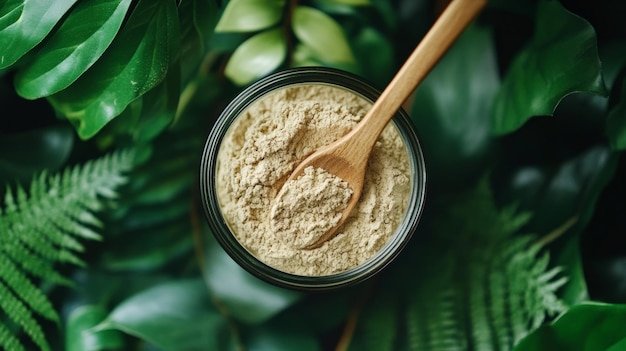
Walk down any supplement aisle and you’ll see the same shiny promises: “clean,” “plant-powered,” “sustainable.” But when it comes to choosing an organic protein powder that actually supports your goals, the story is in the fine print — where the sourcing, certifications, and testing live. This guide shows you how to read beyond front-of-pack claims so you can match your routine with a formula that’s truly high quality. We’ll unpack what USDA organic certification does (and doesn’t) guarantee, why third-party testing and heavy metal testing matter, and how to spot brands that publish real data instead of buzzwords.
You’ll also learn what to look for in ingredient transparency and nutrition quality so your scoop delivers results, not surprises. From amino acid completeness and leucine content to sustainable sourcing and batch-level Certificates of Analysis, we’ll help you separate evidence from hype. By the end, you’ll feel equipped to make confident, values-aligned choices — choosing a protein that’s as strong on integrity as it is on performance.
1. Certifications That Actually Matter
USDA Organic is a strong starting point for any organic protein powder, but it doesn’t speak to every quality you care about — especially purity and banned substances. If you train competitively, look for NSF Certified for Sport or Informed Choice seals, which add rigorous, batch-based screening for contaminants and substances prohibited in sport. These logos aren’t just window dressing; they indicate routine audits, verified manufacturing practices, and random testing that catches issues before they reach your shaker bottle.
For added assurance on farming inputs and residue limits, consider Non-GMO Project Verified and Glyphosate Residue Free certifications. While certified organic crops shouldn’t use glyphosate, drift and cross-contamination can still occur in shared supply chains and milling facilities. A Glyphosate Residue Free seal shows a brand has tested finished product — not just ingredients — for one of the most scrutinized herbicides. Pairing these seals with a clean label and short ingredient list helps you separate truly careful brands from those leaning on buzzwords.
The gold standard for ingredient transparency is a publicly available Certificate of Analysis (COA) for each batch. A solid COA confirms protein content, microbiological safety, and heavy metal results (lead, arsenic, cadmium, mercury) against recognized thresholds. The best brands link COAs via QR code on the tub, matched to your lot number. Pro tip: scan for leucine content or a full amino acid profile on the COA — some companies include it — so you can verify the numbers behind their muscle-support claims.
Finally, align certifications with your personal needs. Athletes might prioritize NSF or Informed Choice alongside USDA Organic; eco-conscious shoppers may value Non-GMO and Glyphosate Residue Free; parents often lean on batch COAs for extra peace of mind. Whether you choose plant-based or grass-fed whey, let credible third-party seals and transparent test reports lead the way. When a brand combines robust certifications, batch-level COAs, and a clean label, you can feel confident the quality on the front matches the reality inside.
2. Amino Acid Completeness and Leucine Dose
A protein powder isn’t just about total grams — its amino acid profile determines how well your body can use it. Aim for a complete essential amino acid spectrum and at least 2–3 g of leucine per serving to reliably trigger muscle protein synthesis. Many labels now list an amino acid panel; if yours doesn’t, look for brands that publish batch COAs with EAA breakdowns. As a quick check, 20–30 g of high-quality protein per serving typically delivers that 2–3 g leucine target without needing separate BCAAs.
Not all proteins score the same for quality. PDCAAS and DIAAS are two systems that rate how digestible and complete a protein is — whey often tops both, but smartly formulated plant-based protein can get close. Pea protein isolate generally offers solid lysine and decent leucine, while brown rice protein tends to be richer in sulfur-containing amino acids like methionine but lighter in lysine and leucine. Comparing both the quality score and the actual grams of protein per scoop (not just calories) helps you avoid under-dosing leucine, especially if you’re optimizing for strength or recovery.
Blending complementary plant sources can turn “good” into “great.” A pea + rice combo is the classic example: pea fills the lysine gap; rice supports methionine and cysteine, together improving completeness and often nudging PDCAAS/DIAAS higher than either alone. Practical tip: a blend that provides 24–30 g protein per serving from mostly pea protein with some brown rice protein typically lands around the 2–3 g leucine window. If you’re vegan or rotate away from dairy, this approach keeps muscle-building on track without compromising your dietary preferences.
For busy days, use the label to reverse-engineer your dose. If your plant-based protein lists ~8–10% of its protein as leucine, a 25 g protein serving yields roughly 2–2.5 g leucine; if the brand doesn’t disclose this, ask customer support or check their COA. Matching your scoop size to the leucine threshold ensures each shake is more than just filling — it’s functionally geared to support training, recovery, and everyday strength.
4. Sweeteners, Flavors, and Gums
Taste shouldn’t come at the cost of quality. Start by scanning the label for added sugars and sugar alcohols; even organic powders can hide 6–10 grams of cane sugar per scoop or rely on erythritol and xylitol to hit dessert-like sweetness. If you’re sensitive to bloat or have IBS, sugar alcohols are common culprits — many people notice GI symptoms above 10–15 grams per day. Consider unsweetened options you can customize with fruit or cinnamon, or choose natural sweeteners that keep the ingredient list clean without the stomach fallout.
Not all “natural flavors” are equal. While they’re permitted in organic products, a long list of vague flavors can mask lower-quality base ingredients or introduce hidden allergens. Look for specificity (e.g., organic vanilla extract, organic cocoa) and short flavor systems that name their carriers. Brands committed to allergen-free manufacturing often disclose whether flavors are free from soy-derived carriers or gluten-containing processing aids — use that transparency to your advantage.
For stevia vs monk fruit, know the trade-offs. Stevia (often listed as Reb A) is potent and calorie-free but can have a slight herbal aftertaste, especially at higher doses or in warm beverages. Monk fruit (luo han guo) sweetens via mogrosides and tends to taste cleaner for many palettes, though it’s sometimes blended with erythritol — check the fine print if you’re avoiding sugar alcohols. If you’re flavor-sensitive, try a single-serve sample or mix with plain water first; it’s the quickest way to assess sweetness level and aftertaste before you commit.
Gums and thickeners affect more than texture. Gum acacia and guar can add body, but in larger amounts they may contribute to gas in sensitive users; xanthan is generally well tolerated in small doses, while carrageenan is best avoided by anyone with a history of GI irritation. As a rule of thumb, aim for minimal stabilizers and skip products that stack multiple gums high on the ingredient list. If you need extra creaminess without discomfort, look for powders that rely on protein quality and fine milling over heavy gums — many of these are both smoother and more digestible, and they often pair well with simple, natural sweeteners.
Processing Method and Bioavailability
How your organic protein powder is processed can make as much difference as which plant it comes from. Isolates remove more carbs and fats, so they typically mix cleaner and taste lighter — great for smoothies or post-workout shakes. Hydrolysates take it a step further: they’re “pre-digested” into smaller peptides that can absorb faster, which some athletes prefer around training. Concentrates are less refined and may retain more native phytonutrients and fiber-like compounds — useful if you want a more “whole-food” profile. A soy-free pea isolate paired with a small amount of hydrolyzed rice protein, for example, can deliver a lean texture with efficient uptake, while a pumpkin seed concentrate adds antioxidant compounds that a pure isolate might lose.
Processing temperature matters, too. Cold-processed or low-heat methods help preserve amino acid integrity and prevent the formation of unwanted byproducts, supporting better bioavailability. Fermented proteins — like fermented pea or brown rice — use beneficial microbes to break down tough compounds, which can reduce anti-nutrients such as phytic acid that bind minerals. If you’re choosing non-GMO, organic plant proteins, look for brands that state “cold-processed” or “low-heat” on their spec sheets or FAQs, and prioritize those that explain their fermentation steps rather than using vague marketing language.
Sprouting and fermenting can be powerful upgrades for plant-based powders. Sprouted quinoa or buckwheat protein, for instance, often shows improved digestibility and mineral absorption compared with unsprouted versions. Fermented hemp or pumpkin seed proteins may also feel gentler on the gut because fermentation partially breaks down fibers and proteins, reducing the workload on your digestive enzymes. If you tend to feel bloated with standard blends, trying a sprouted or fermented option can be an immediate, noticeable change — especially in soy-free formulas that balance pea with rice or pumpkin for a more complete amino profile.
Finally, connect processing to your values. Brands committed to sustainable sourcing often invest in gentler, energy-efficient processing and provide transparency about their methods. Look for companies that share details like degree of hydrolysis for hydrolysates, document cold-filtration steps, or publish digestibility data alongside their non-GMO and organic certifications. When the label explains not just what’s inside but how it was treated from seed to scoop, you’re far more likely to get a protein that’s clean, effective, and kind to both your body and the planet.
6. Digestive Tolerability and Gut Support
Protein is only as useful as your body can comfortably digest. Enzyme blends — typically protease, bromelain (from pineapple), and papain (from papaya) — can help break protein chains into smaller peptides, easing the workload on your gut and reducing post-shake bloat. If you’ve ever felt heavy or gassy after a scoop, try a formula with a clinically dosed enzyme blend or take your first few servings with food to slow gastric emptying. Small tweaks like using cooler water, sipping rather than chugging, and starting with half a scoop for a week can also improve tolerability.
If you’re sensitive to FODMAPs, scrutinize the label. Ingredients like inulin, chicory root fiber, fructooligosaccharides (FOS), and certain sugar alcohols commonly sneak into “gut-friendly” blends but can trigger gas and cramping. Look for Low FODMAP Certified seals (e.g., Monash University or FODMAP Friendly) and opt for minimalist formulas with straightforward proteins and simple flavor systems. Unsweetened or lightly sweetened options can be easier on digestion, especially if you also avoid large boluses of added fibers around workouts.
Prebiotic fibers aren’t inherently bad — acacia gum or partially hydrolyzed guar gum, for example, can support a healthy microbiome at modest doses — but more isn’t always better. Many people do well with 1–3 g per serving; above that, GI distress becomes more likely, particularly when combined with other high-fiber foods. If you want gut support without the bloat, consider powders that pair moderate prebiotics with targeted additions like L-glutamine or fermented plant proteins, and build your fiber tolerance gradually over 1–2 weeks.
Finally, think holistically. Brands that prioritize digestive comfort often pay attention to the entire formula and supply chain — clean flavor carriers, transparent dosing, and even details like fair trade vanilla or cacao that avoid harsh processing aids. While it’s not a gut-health claim, companies invested in your well-being frequently extend that care to planet-friendly choices like compostable packaging, which reflects a thoughtful approach from ingredient to shaker cup.
7. Sourcing Transparency and Sustainability
When you pick an organic protein powder, ask where the protein actually comes from — down to the farm or region. Single-origin or traceable multi-origin sourcing lets you see if your pea protein is from Saskatchewan yellow peas, your rice protein from lower-arsenic regions in Thailand, or your pumpkin seed protein from Austrian, EU-certified farms. Brands that publish sourcing maps or add QR codes on tubs so you can view lot-specific origins aren’t just marketing — they’re giving you verifiable context on quality, farming conditions, and potential contaminant risks tied to geography.
Sustainability goes beyond an “organic” label. Look for evidence of regenerative or organic farming practices that build soil health and biodiversity, such as cover cropping, reduced tillage, and pollinator buffers. Some companies now highlight Regenerative Organic Certified ingredients or partner with co-ops that rotate peas to fix nitrogen naturally, lowering synthetic input needs in the broader system. If a brand claims “regenerative,” scan for farm profiles, third-party audits, or field-level data rather than vague promises — transparent operators can usually show photos, partner names, and annual impact reports.
Packaging tells a story too. Prefer tubs or bags made from post-consumer recycled (PCR) materials, and check whether the scoop is optional or eliminated entirely. Refillable formats, bulk bags, and curbside-recyclable canisters reduce plastic per serving; some brands publish grams of packaging per 20 servings so you can compare. If you rely on subscriptions, consolidated shipping and minimal fillers (no plastic shrink wraps, compostable dunnage) can further cut waste. Bonus points for clear end-of-life instructions or take-back programs when local recycling isn’t straightforward.
Finally, evaluate a brand’s broader climate and ethics posture. Do they disclose a product-level carbon footprint per serving, use sea freight over air, or purchase renewable energy for blending and drying? Are supplier codes of conduct public, with third-party social audits, living-wage commitments, and grievance mechanisms at the farm level? Companies aligned with initiatives like Science Based Targets or B Corp — and that publish supplier lists and audit summaries — make it easier to match your health goals with values. In short, choose an organic protein powder that’s traceable from field to shaker and backed by measurable, transparent progress — not just green-sounding claims.
Bringing It All Together
The best organic protein powder isn’t just “organic” on the label — it pairs clean, credible certifications with a complete amino acid profile (including adequate leucine) and transparent, batch-level testing you can verify. When you weigh PDCAAS/DIAAS scores, check for third-party seals, and review COAs, you move beyond marketing to make decisions based on data, not hype.
From there, prioritize how it feels in your body and fits your values: choose formulas with solid digestibility, thoughtful flavor systems that don’t rely on heavy sweeteners, and sourcing that’s traceable and sustainable. Use labels, COAs, and brand disclosures to confirm quality — don’t rely on front-of-pack claims alone. With a little scrutiny, you can find an organic protein powder that supports your performance, your health, and the planet.